High protein, healthy recipes using affordable, local South African ingredients to protect lean mass and support your GLP-1 weight loss journey.


When you are cooking for just one or two people – especially on a GLP-1 medication where your appetite is smaller – traditional grocery store packaging can feel like your enemy. Mainstream supermarket meat trays are designed for families, usually coming in bulk sizes like 500g or 1kg.
If you are making our small-batch recipes that only call for 250g of extra-lean mince or 140g of chicken, defrosting a massive 500g block just to use half is a nightmare. You are left with two choices: cook the whole thing and face mountains of leftovers you don’t want, or frantically search for another recipe to use up the raw remainder before it spoils.The secret to effortless, zero-waste cooking is mastering the art of the pre-freeze portion. Here is how to prep your meats the day you buy them so that small-batch cooking becomes seamless.
1. The Mince Flattening Trick (Beef, Pork, or Ostrich)
Buying 500g of extra-lean mince is far more budget-friendly than buying tiny portions, but freezing it as one giant brick is a mistake.
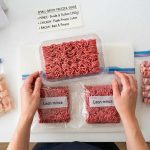
- The Prep: The day you bring the mince home, open the pack and divide it immediately into two equal 250g portions.
- The Freeze: Place each 250g portion into its own small freezer bag. Before sealing, use your hands or a rolling pin to flatten the mince inside the bag until it is completely flat like a pancake.
- Why it works: Flat meat packs take up almost zero space in your freezer because you can stack them like books. Even better? A thin, flat portion of mince defrosts in less than 15 minutes in a bowl of cold tap water, meaning you can decide to make a small-batch bolognaise at the very last minute.
2. Flash-Freezing Diced Chicken Breasts
Buying bulk raw chicken breast fillets is highly cost-effective, but they quickly freeze into one solid, inseparable lump.
- The Prep: Dice your chicken breasts into bite-sized cubes immediately after purchasing.
- The Freeze: Line a baking tray or a large plastic plate with baking paper. Spread the diced chicken pieces across the tray in a single layer, making sure the pieces don’t touch, and place the tray in the freezer for 2 hours. Once the individual cubes are frozen hard (“flash-frozen”), transfer them all into one large zip-lock freezer bag.
- Why it works: Because the pieces were frozen separately first, they won’t stick together. When a recipe calls for exactly 140g or 250g of chicken, you can just open the bag, pour out the exact handful of frozen cubes you need, and seal the rest back up.
3. Flash-Freezing Bacon Rashers
If you love having a few rashers of bacon with your morning eggs but struggle to finish an entire 200g or 400g pack before it goes slimy in the fridge, this trick is for you.
- The Prep: Take individual rashers of bacon and roll them up tightly into little cigar shapes (pinwheels).
- The Freeze: Place the rolled bacon pieces on a plate or tray and freeze them for an hour until firm, then pop them into a freezer bag.
- Why it works: Whenever you want our quick egg-and-bacon breakfast, you don’t have to pry frozen layers of bacon apart with a knife. Simply grab exactly 3 rolled rashers straight out of the freezer bag. They thaw out almost instantly in a warm pan!
Bonus: How We Handle Fresh Veggie Waste on This Blog!
It’s not just meat that goes to waste – half-used vegetables are a massive frustration when cooking small batches. If a recipe calls for ½ an onion or ½ a pepper, don’t let the other half rot in your crisper drawer!
To help you out, whenever I post a recipe that requires a partial ingredient, I will include links at the bottom of the post to other recipes on the blog that use the exact same ingredients.
For example, if you make our Small-Batch Beef Stir-Fry tonight and have half an onion and a carrot left over, you can click straight through to our Small-Batch Chicken & Veg Stew to use them up tomorrow!